

Coca-Cola: Corporate Accountability
Updated: Jul 8

As the public has become more concerned about plastic, Coca-Cola has deliberately hidden how harmful their products are to the environment. Coca-Cola is the world’s biggest plastic polluter and yet they present themselves as a sustainable brand.
Coca-Cola has used deceptive advertising and misleading claims about their plastic packaging. They have presented recycling as the solution to the plastic problem, whilst producing more and more plastic. They have offered various voluntary initiatives for sustainable change which have been abandoned. At the same time, Coca-Cola actively lobbies against mandatory reuse systems and restrictions on plastic.
Coca-Cola’s vague pledges to recycle and include some recycled content in bottles will not reduce plastic pollution. They have little control over whether their bottles will end up in the environment. Coca-Cola must focus on reducing plastic use rather than recycling and move towards reusable/refillable packaging.
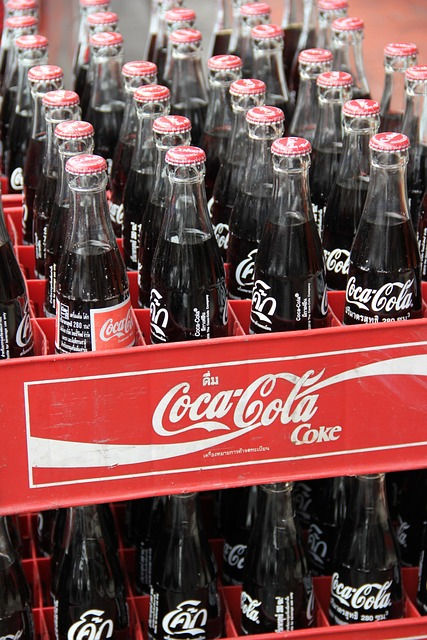
Life cycle-analyses (LCAs) of the environmental impact of products show that (1) reusable plastic is better than single-use and (2) reusable glass is better than single-use glass, aluminium or PET plastic. A 2025 Oceana report states that plastic bottles could be used up to 25 times and glass bottles could be used up to 50 times, massively reducing the number of bottles that need to be produced and the associated environmental costs (pollution, ecosystem damage, health effects and carbon emissions).
Coca-Cola abandoned its goal of selling 25% of its products in reusable packaging in December 2024. However Oceana found that if Coca-Cola met this goal they could reduce their annual weight of plastic usage by 15%.
It is clear that Coca-Cola will not voluntarily take responsibility for the waste they produce. Corporations will never prioritise the environment; profit is always the bottom line. Public pressure and legislation is required to force sustainable change. Legislation must force corporations to be transparent on plastic usage, stop falsely marketing their products, reduce unnecessary packaging, and transition away from single-use plastic.
As the Global Plastics Treaty negotiations continue in 2026, a strong legally binding treaty is needed to tackle not just litter, but all the sustainability issues surrounding the life cycle of plastics. It should hold corporations to account, drastically cut plastic production and mandate reuse/refill systems.
+++++++++++++++++
For more information contact: info@scarabtrust.org.uk
Images:
Stair graph - Image by Mohamed Hassan from Pixabay (ST ref: 1340)
Glass Coca-Cola bottles - Image by Niels Steeman from Pixabay (ST ref: 1339)
Collection, Garbage, Zero Waste - Image by Moondance from Pixabay (ST ref: 13380)


Comments