top of page


Blog


Deep Pockets, Dirty Profits: Banks and Investors are accelerating the climate crisis
When we think about responding to the climate crisis, transitioning our energy systems away from oil and gas has always been clear. But what about investment in petrochemicals? Petrochemicals are fossil-fuel-derived substances – they’re used to produce a range of synthetic materials and substances, including plastics and fertilisers. Not only are they heavily reliant on fossil fuels, but they have the highest energy demand of all industrial sectors, and will likely override l
Stella Ferguson
Aug 282 min read


Ammonia: the invisible petrochemical that fuels industrial agriculture
In short: Ammonia is unique among petrochemicals – its molecule contains no carbon, yet more than 99% of ammonia is produced using fossil fuels. It is the foundation of industrial agriculture but also generates enormous greenhouse gas emissions and locks food production into fossil fuel supply chains. Instead of decreasing our reliance on ammonia, the industry is seeking new markets by promoting ammonia as a "green" fuel for shipping and power generation. This article explore
Wojciech Lipiński
Aug 86 min read


What Does the Iran War Have to Do With Plastic?
In response to recent attacks by the US-Israel alliance, Iran restricted shipping in the Strait of Hormuz. Before the war, around one-fifth of global oil and liquefied natural gas passed through this route. This shipping restriction disrupted energy supply chains and led to a big increase in global oil prices. So what’s the connection with plastic? Oil and gas aren’t only burnt as fuel for energy. They are used to make petrochemicals, which are manufactured into a wide range
Fiona Rennie
Jul 162 min read


We can’t quit fossil fuels without tackling petrochemicals
Between 24 and 29 April, 57 countries participated in a historic conference on the Transition Away from Fossil Fuels, hosted in Santa Marta (Colombia), Participants discussed how to speed up the phaseout of fossil fuels, focusing on coordinated action rather than passive debate. This stands in opposition to the yearly UN climate conferences (COPs), which have discussed the transition but have not yet produced an action plan. While conferences and reports organised by the UN a
Wojciech Lipiński
Jun 303 min read


Fifty Years: Chemical Recycling’s fading promise
Chemical Recycling is the process of converting plastic waste into raw materials to make new plastic, helping reduce the need for fossil fuels - the feedstock of most plastics. Chemical Recycling initially appeared to be a promising solution to the plastic waste crisis, however, concerns are growing about its effectiveness, environmental impacts and economic sustainability. The Reality Behind the Technology Chemical Recycling is proving to be a costly gamble. The most co
Kyawt “KK” Aye
Apr 22 min read


Why generative AI is not so smart
The substantial water and energy consumption of generative artificial intelligence (GenAI) usage is acknowledged by many in the scientific community, yet public awareness of the ecological impact of AI usage is remarkably small. While certain social stigmas surround its usage - namely how it facilitates laziness or lack of creativity by the user - discussions around how AI damages the environment are rare outside of scientific debates. GenAI works by using large-scale machine
Lara Bower
Mar 292 min read


Africa’s renewable future: the economic, political and climate cost of fossil fuels
As the sun sets in Africa, 600 million people do not have a light to turn on. Despite having 60 percent of the world’s best solar resources, and over 30 percent of the essential minerals required for the world’s renewable technologies, the continent has received less than two percent of global renewable investment. Energy is the key to African development, but the expansion of renewables goes beyond reliable energy as it is indispensable for both climate resilience, and the f
Natasha Tisminieszky
Nov 12, 20252 min read


Carbon colonialism at Africa's expense.
Since the start of the industrial revolution in the mid-1700s, fossil fuels have played a pivotal role in the expansion of our economies. The Western world has developed off the back of carbon intensive non-renewable resources, yet the consequences of these actions are becoming increasingly evident, and it is the poor who are set to pay the disproportionate price. Our warming climate is unequivocally linked to our preceding and continued use of fossil fuels, and the evidence
Natasha Tisminieszky
Nov 5, 20252 min read


Small Town Explosion: What Really Happened in East Palestine?
It was over one year ago that a train in East Palestine, Ohio derailed and caused an explosion, waking residents in the small town. The...
Sophie Barnett
Apr 15, 20243 min read


Plastic is the Climate Elephant in the Room
When it comes to plastic, the world’s attention is drawn to recycling and removal, with these issues made particularly visceral through...
Dan Shone
Dec 10, 20233 min read


Plastics and the Energy Crisis
The energy crisis has caused bills to rise globally and has forced many into poverty. The issue was worsened by Russia’s invasion of...
Eleanor Bateman
May 26, 20233 min read


Carbon Offsetting may be Worsening the Climate Crisis
Voluntary carbon offsetting has exploded into an industry worth more than $2bn per year and may grow to $40bn per year by 2030. But does...
Daniel Grove
Mar 1, 20233 min read


Energy Crisis – Help or Hindrance to Zero Waste?
The Russian invasion of Ukraine revealed the UK and Europe’s heavy dependence on fossil fuels. In 2020, imports from Russia made up 39%...
Anonymous
Feb 16, 20233 min read


COP 27 – Is 1.5 Still Alive?
In 2015, an ambitious global agreement was reached to limit global warming to 1.5°C. Has COP27 succeeded in keeping that goal alive?...
Daniel Grove
Nov 26, 20223 min read


Plastics: the New Coal
The devastating effects of coal-fired power stations on both environmental and human health means they are being decommissioned at an...
Harry Hazeldean
Nov 13, 20222 min read


Fracking
Coal, oil and natural gas: we all learn about these three types of fossil fuels in school. But are we really educated on how they are...
Alexandra Straton
Nov 9, 20223 min read


INEOS – A Petrochemical Company
INEOS is a chemical giant, in the top 5 of the world’s largest chemical producers. It relies on fracking to produce ethylene and other...
Alexandra Straton
Oct 4, 20223 min read


What Would a Flying Free World Look Like?
We can't all live our lives without planes in the sky, but what might we be able to change to have a lower impact? A longer read...
Mark Johnston
Jul 2, 20225 min read
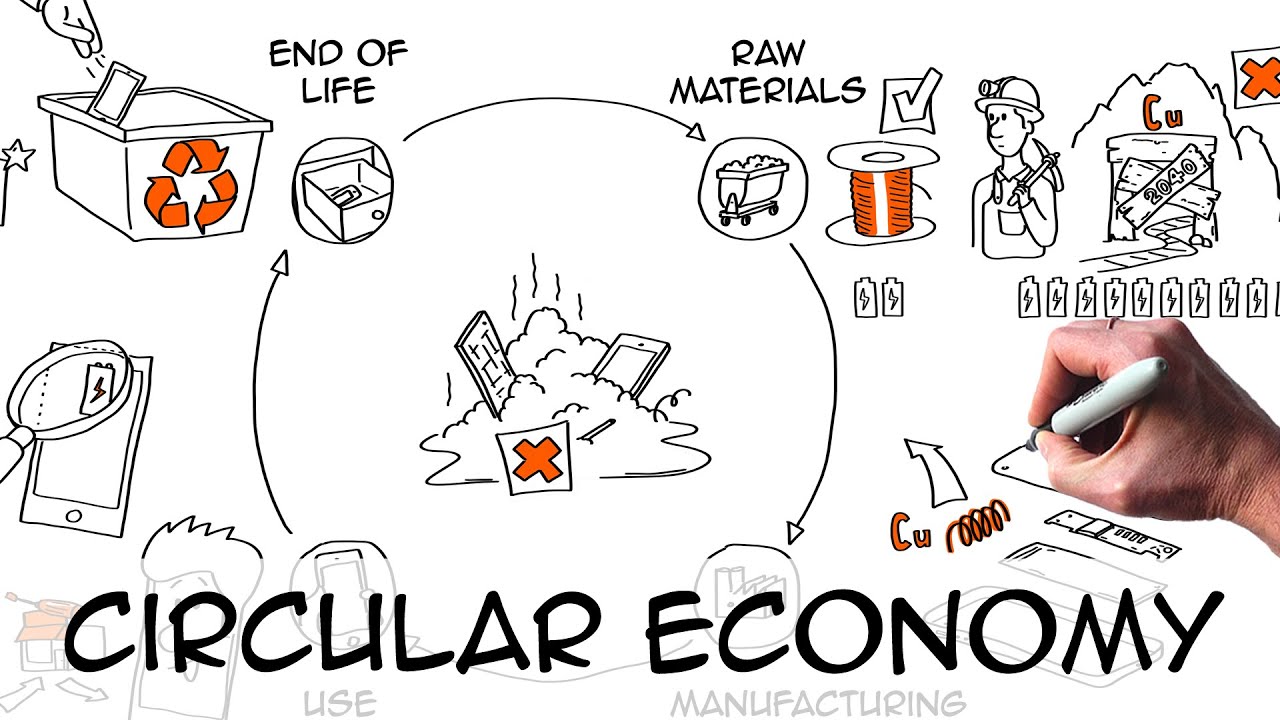
Circular Economy
In this whiteboard animation video, Alexandre Magnin (Sustainability Illustrated) explains what we mean by circular economy, going...
Mark
Jun 8, 20221 min read
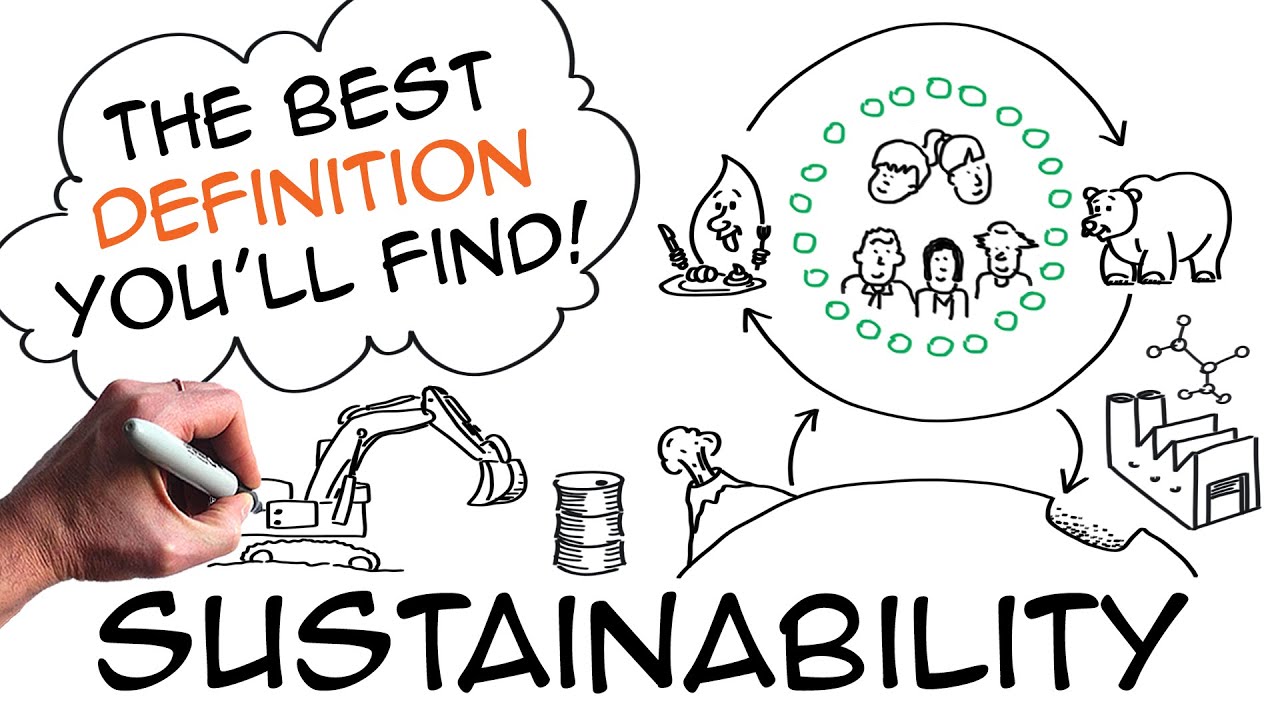
Sustainability Planning
A series of short animation videos from Sustainability Illustrated : Sustainability Strategy: Definition Backcasting Conditions of...
Mark
Jun 4, 20221 min read
bottom of page