

Who Pays for Soft Plastic Pollution?
Updated: Jul 28

Soft plastic pollution is a global problem that negatively impacts the environment and the health of people living in countries with the most vulnerable climates and waste management systems. The corporations behind soft plastic pollution have not done enough to invest in effective waste management systems to handle the soft plastic they produce. Therefore, governments and consumers play a vital role in creating protections against soft plastic pollution.
Various governments now enforce policies concerning the type and quantity of exported plastic waste entering their shores. These restrictions include China’s ‘National Sword’ policy (2018), Indonesia (2025) and Thailand’s (2022) bans on plastic waste, and the European Union’s 2026 agreement to ban exports of plastic waste to countries outside of the OECD (Organisation for Economic Co-operation and Development), which mostly consists of rich countries. Despite this, a huge amount of soft plastic pollution remains.
Subscribe to our fortnightly newsletter
Get our top stories straight to your inbox every two weeks and stay informed about plastic pollution!
What’s next for corporations and governments?
Around the world, countries and organisations are tackling the global problem of single-use soft plastics and sachets by researching, identifying, and advocating for regulations concerning single-use plastics and ‘zero-waste stores’ in conversations with local governments and the private sector. The UK government should follow suit and implement policies and regulations that hold companies accountable, such as:
Enforcing binding EPR (Extended Producer Responsibility) legislation requiring that companies take financial and operational responsibility to reduce their harm to communities and the environment through eco-design and proper waste management.
Requiring that corporations disclose the amount of plastic they use for manufacturing, shipping, retailing, and disposal.
Enforcing guidelines for the safe disposal of sachets and environmentally friendly packaging.
Working towards zero-waste reuse systems in stores through adequate standards and infrastructure supported by local government policies.
What’s next for consumers?
While the responsibility lies mostly on the producer of the plastic waste, we still have an important role as consumers. We play a part in using less single-use and soft plastics, lobbying governments and corporations to enforce and enact policies and regulations against plastic waste, and continuing to educate ourselves and others about the global reality of the soft-plastic problem so that public opinion shifts, and larger companies are forced to pay the price for the pollution that they generate.
Restrictions on certain single-use plastics and plastic bags in the UK were enforced in 2024 due to public opinion, media attention, and local advocacy concerning plastic ocean pollution. This illustrates how raising awareness and educating people about issues that matter is a powerful tool that anyone can use to make a change.
+++++++++++++++++
For more information contact: info@scarabtrust.org.uk
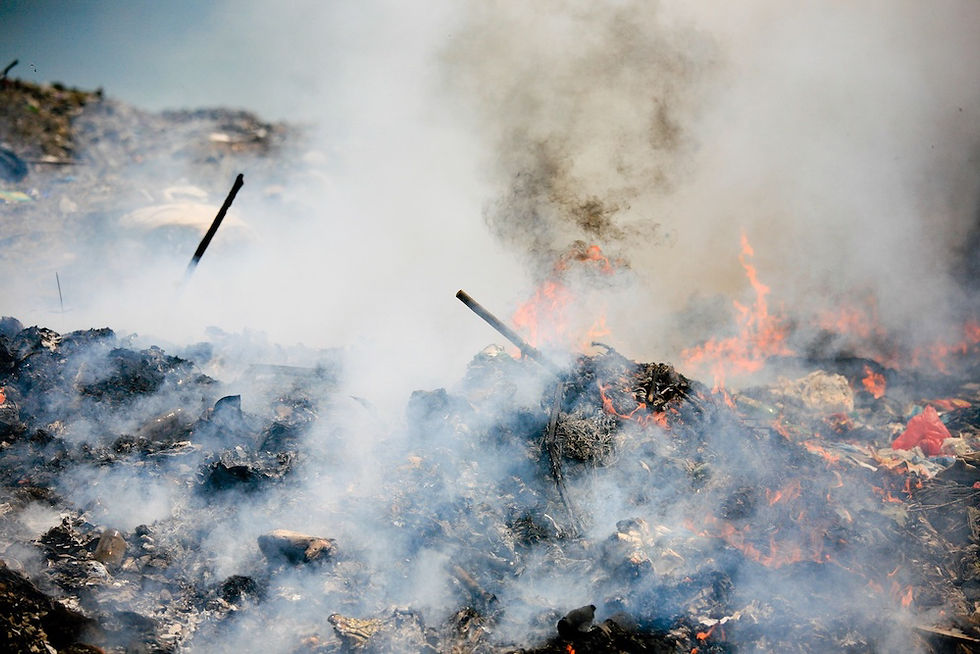
Image: plastic packet waste - Image by Sarina S. from Pixabay (ST ref: 1386)
Edited by Sophia Stilwell


Comments