

What UNOC showed - and what it didn’t
Updated: May 15

The 2025 United Nations Ocean Conference (UNOC) brought ocean issues back into the global spotlight. Delegates from over 100 countries convened to reaffirm commitments to SDG 14: Life Below Water, address overfishing and clamp down on marine pollution. The tone was urgent, the diversity of stakeholders impressive and the pledges ambitious - but the gap between promises and action remains as wide as ever, with a clear lack of dedicated funding to prevent plastic and microplastic
pollution.
The final declaration was filled with promising language about ecosystem restoration, pollution reduction and marine protection. However, a lack of enforceable mechanisms or clear accountability structures drew sharp criticism from civil society groups like ClientEarth. As they noted, “voluntary pledges are no substitute for binding action.”
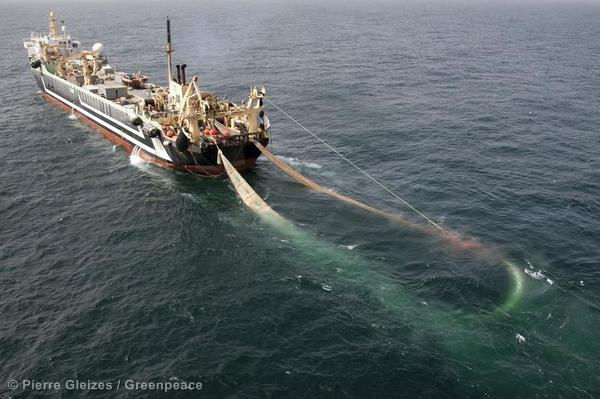
One glaring omission: the declaration did not commit to ending destructive fishing practices in Marine Protected Areas, in spite of present marine NGO networks such as Seas At Risk clearly calling for it. This would seem like an obvious move given that MPAs are wildlife havens with measured restoration benefits even outside of their limits. In Europe alone, bottom trawling continues in 86% of them. This contradiction undermines faith in ocean governance.
On plastic, the conference reaffirmed support for the ongoing UN plastics treaty negotiations which were set to conclude in 2025 but are in fact at a standstill as a result of Saudi Arabia and its like-minded partners calling for minimum ambition. Divisions still remain even regarding this - many countries, especially major fossil fuel producers, are reticent, leaning towards weaker language focusing on waste management and recycling that avoids binding caps on plastic production and addressing plastic pollution at its source. Others, including small island states and many in the Global South, demand a strong treaty with global production limits, single-use plastic bans and financial support.
UNOC is a platform, not a policymaking body, so its outcomes are symbolic rather than legally binding. These symbols can still hold weight, however. The signal from UNOC 2025 is clear: awareness is high, but political will is uneven and available funding for pollution prevention still scarce.
The ocean doesn’t need more promises - it needs binding prevention measures, with funding, oversight and enforcement. Until then, global ocean policy will continue to drift aimlessly, even as plastics keep pouring in.
Next in Ocean series: 3/10. Rethinking Ocean Plastic Solutions
+++++++++++++++++
For more information contact: info@scarabtrust.org.uk
Images:
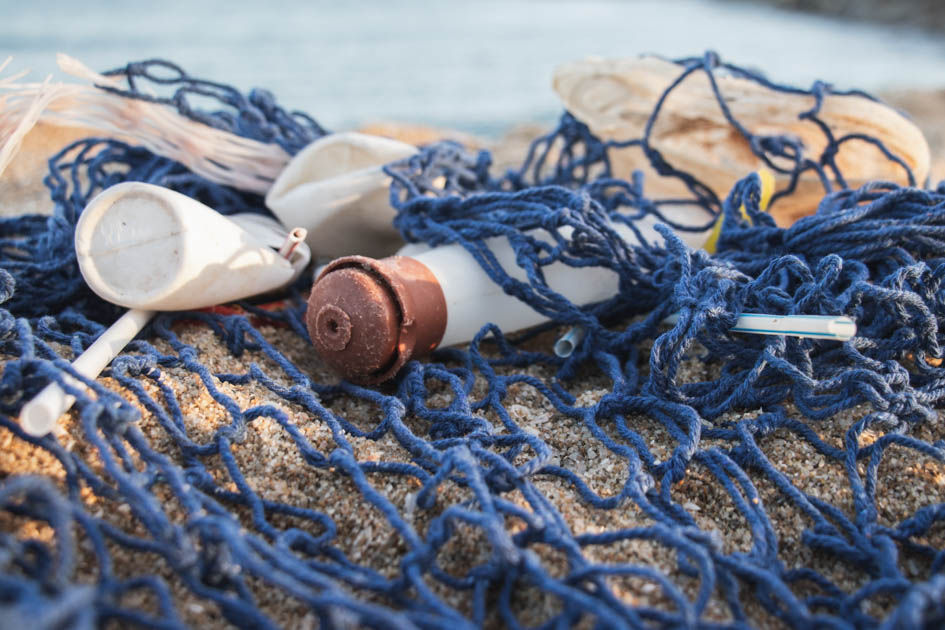
plastic bottle ocean - Photo by Naja Bertolt Jensen on Unsplash (ST ref: 1366)
super trawler Margiris - Photo by Pierre Gleizes, Greenpeace (ST ref: 1367)
Thanks to Frédérique Mongodin from Seas at Risk for editorial support.


Comments