

The Global Plastics Treaty and the War on Ghost Gear
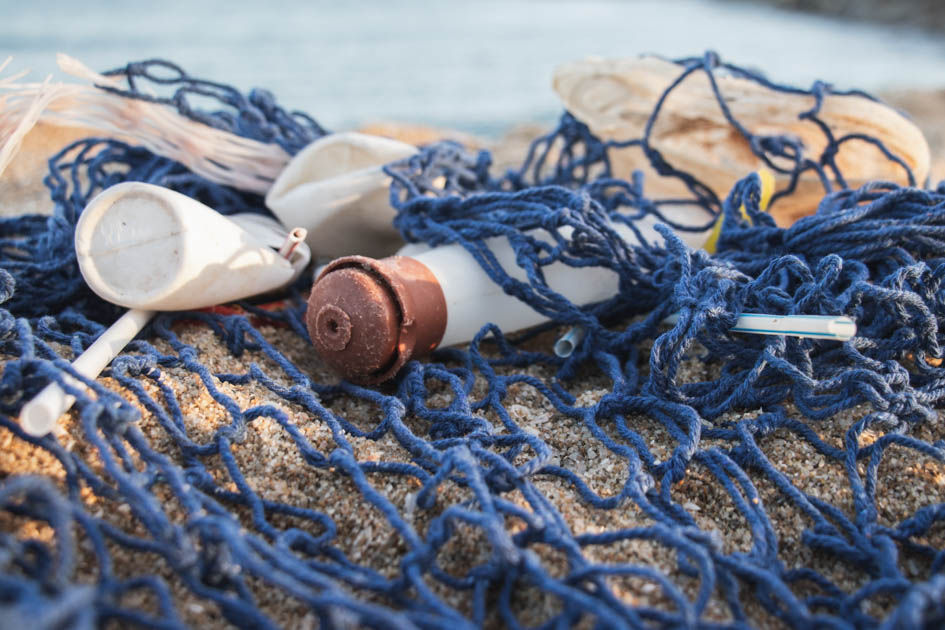
The United Nations is currently tackling a global crisis: ghost gear.
Ghost gear is plastic fishing or aquaculture gear that is abandoned, lost or discarded and it is the most damaging source of marine pollution in the ocean.
Why ghost gear is so harmful
Every year, 2% of ghost gear ends up in the ocean due to extreme weather, tangled on the seabed or simply thrown away. Ghost gear does more than just pollute; it harms protected or endangered marine life, it damages the livelihoods of our coastal communities, and directly threatens our food supply.
For example, 90% of species caught in ghost gear are commercially important, causing viable fish stocks to drop over time.
Taking action to combat ghost gear pollution
Negotiators have recognised ghost gear as a primary pollutant under Article 7 of the International Legally Binding Instrument on plastic pollution. To make the treaty more effective, there needs to be tougher and more dedicated legal language in the existing articles. The treaty must cover the entire lifecycle of the fishing gear, from their design to end-of-life so that we can manage the existing waste AND prevent future losses.
Therefore, the Global Plastics Treaty should include regulations that:
ARE MANDATORY for all the nations involved
TARGET specifically the fishing industry
COVER the full lifecycle of fishing and aquaculture gear
These regulations should be created in collaboration with smaller fishing communities to fit their needs and ensure they can participate meaningfully in the process.


Comments