

Re-use: A Step Up from Recycling?
Updated: Jul 28
Solving the plastics crisis isn’t simple. Instead of focusing on recycling, research tells us that we need to think more broadly by looking at strategies like re-use. If we can embrace this concept globally, we have the opportunity to truly cut plastic pollution.
Single-use plastics are the biggest culprit behind plastic pollution, making up around 50% of plastic produced. Often touted as recyclable, only about 5% of plastic is actually recycled in the US. A recent analysis of case studies found that recyclable food service-ware was more environmentally friendly than landfill in only 56% of cases. Plastics are often not recyclable due to a lack of recycling infrastructure and insufficient demand for recycled plastic, which is more expensive than new plastic. In many cases the recycling process involves adding even more virgin plastic. Further, materials like compostable packaging actually may have worse environmental impacts.
An old solution
Water bottles, cardboard delivery packaging, and soda bottles form 3 of the 5 product categories with the highest environmental impact in Europe (alongside beer and wine). In Europe alone, approximately 14.38 million tons of single-use beverage packaging and 60 billion units of postal packaging are used every year. If we can reduce our consumption of these single-use goods, the effects will be huge. For example, re-usable beverage packaging produces 85% less CO2 emissions than its single-use equivalents. Scaling this re-use up to 50% of all take-away beverages and food containers would save 2.6M tonnes of CO2 per year – that’s over 800,000 journeys from London to Perth, Australia!
Re-use also leads to fewer products being made every year, reducing pollution. The most common form of re-use occurs when companies provide users with packaging that they can later return. This isn’t a new concept, it’s the same as a milkman delivering bottles of milk and then collecting the empties afterwards.
Subscribe to our fortnightly newsletter
Get our top stories straight to your inbox every two weeks and stay informed about plastic pollution!
Re-use in action
When presented with re-use schemes, companies often say they’re difficult to implement. However, we can see many great examples of these schemes across the world. Since 1969, Germany has been running a system where consumers return water bottles at designated points. These bottles are then repaired and re-used up to 50 times. The key to this success is its manageable scale. Standardizing packaging and shared drop-off points are coordinated by 162 parties (almost exclusively mineral water firms) so that consumers can easily return their bottles.
In Indonesia, companies like Alner are re-thinking how we do food and product delivery. Alner picks up customers’ take-out packaging, cleans it, and returns it to restaurants while also partnering with consumer goods firms to deliver products in returnable packaging that can be exchanged for cash-back.
Governments can also make an impact. 175 countries in the United Nations have agreed to implement a legally binding agreement on plastic pollution. Targets could be set on re-usable packaging – Austria already set a legally binding requirement for 25% of packaging to be re-usable. Food sellers (restaurants, cafes, hotels) could be required to offer a reusable alternative, as is already the case in the Netherlands.
Single-use materials are detrimental to our environment and are dangerously pervasive. Shifting to re-use may seem like a big change, but it’s closer than we think, and now is the time to embrace it.
+++++++++++++++++
For more information contact: info@scarabtrust.org.uk
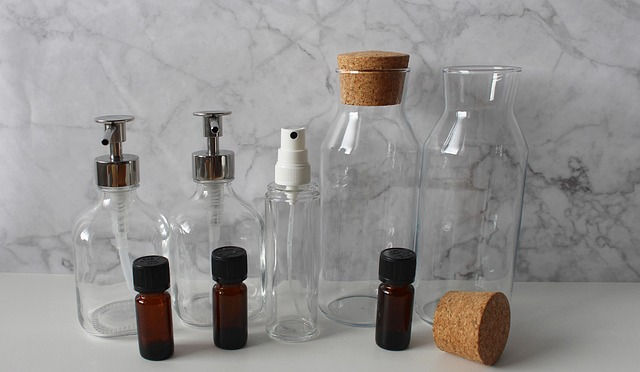
Image: container, glass container - Image by Monfocus from Pixabay (ST ref: 1363)
Edited by Sophia Stilwell


Comments